9+ curated guides • Updated November 2025
Remember 2022? It was the year we tentatively stepped back into the world, blinking in the sunlight. The purses we chose to carry were more than just accessories; they were our new social armor. From the wildly impractical micro-bag to the ultra-cushioned pillow purse, each trend was a direct response to a world grappling with newfound freedom and lingering uncertainty. These weren't mere fleeting styles dictated from a runway; they were artifacts of our shared experience, tangible symbols of our internal landscape broadcast for the world to see. By deconstructing the key handbag silhouettes of that pivotal year, we can read the story of our collective psyche—our anxieties, our defiant optimism, and our deep-seated need for comfort.
You opened the app for a simple medium iced coffee, but 10 minutes later your cart contains a breakfast sandwich and a half-dozen donuts. This isn't a failure of willpower; it's a carefully engineered trap. We'll expose the subtle design choices and behavioral nudges that turn your simple Dunkin' craving into an expensive impulse buy. These platforms are not merely digital menus; they are sophisticated persuasion engines designed to maximize your cart size by exploiting predictable patterns in human psychology. From the moment you tap the icon, a series of cognitive triggers are activated to guide you away from your single-item purchase and toward a full-blown meal.
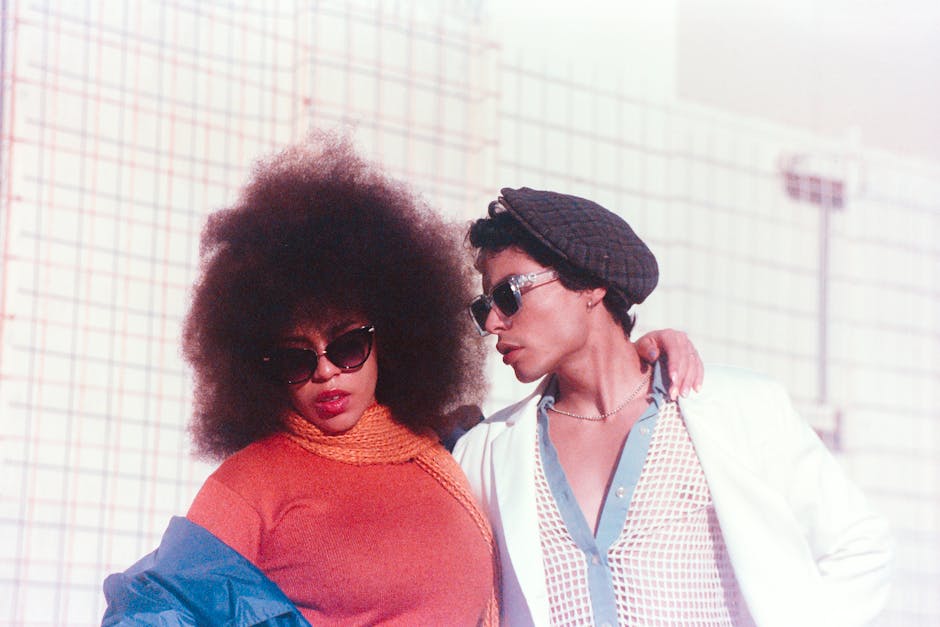
You've seen the photos: a silk scarf tied as a bohemian headband or knotted at the neck of a disco queen. But what if that simple piece of fabric was more than just a fashion statement? In the 1970s, the way you wore your scarf was a secret code, broadcasting your tribe and your beliefs to the world. This wasn't just about aesthetics; it was a socio-political broadcast worn around the neck, head, or wrist. In a decade fractured by the Vietnam War, civil rights movements, and economic uncertainty, personal style became a primary vehicle for self-identification. And the humble scarf, accessible and versatile, became its most potent and nuanced messenger.
Celebrity Cruises sells a dream where drinks, Wi-Fi, and tips are all included for one simple price. We bought into that dream, only to find our final bill was over a thousand dollars higher than expected. This isn't a typical review of the food or shows; this is a financial autopsy of what 'all-included' really means at sea. We'll meticulously dissect the charges, expose the psychological traps designed to make you spend, and give you the actionable strategies needed to protect your wallet from the siren song of the upsell.
You typed 'Italian restaurants near me,' but what you're really looking for probably isn't on the first page of results. Most spots are serving a comforting, red-sauce-drenched version of Italian food born in New York, not Naples. We'll give you the 'red flag' words and 'green light' dishes to look for, turning you into an expert who can spot true authenticity from a block away. As a historian who carries a passport from the republic, I find this culinary confusion both fascinating and frankly, a little insulting. This is not about snobbery; it is about preservation. The food you call 'Italian' is often a caricature, a greatest-hits album of misunderstood dishes played far too loudly. My mission is to give you the code to decipher the menu, to find the restaurants that respect the grammar of our cuisine, not just the popular slang.
Remember 2022? As the world reopened, our wardrobes shifted dramatically from soft sweatpants to structured statements. The most telling accessory wasn't a bag or a shoe—it was the humble belt, suddenly tasked with the monumental job of reclaiming our shape and signaling our return to the world. This wasn't a mere trend; it was a collective, non-verbal declaration. After two years of amorphous silhouettes and elasticated waists that blurred the lines between public and private, the act of cinching, buckling, and defining our midsections became a powerful psychological tool. We weren't just holding up our trousers; we were re-establishing boundaries, drawing a line between the lockdown self and the re-emergent individual. The belt, in its myriad forms, became the focal point of this sartorial rebirth, the accessory that gave our new chapter its shape.
That messy, spicy platter of Buffalo wings is more than just bar food; it’s a masterclass in sensory engineering. We think we’re craving chicken, but we're actually chasing a complex trifecta of brain-hacking capsaicin, the cooling fat from blue cheese, and the deep-seated social permission to eat with our hands. Forget the best recipe—we're about to dissect the science of why you can't have just one. As a food scientist and culinary anthropologist, I see the Buffalo wing not as a meal, but as a carefully calibrated delivery system for a specific set of neurological and physiological responses. The heat, the fat, the tang, the texture, and even the social ritual surrounding its consumption are all meticulously, if accidentally, designed to bypass our rational minds and target the primitive reward centers of the brain. This isn't about hunger; it's about hacking our own biology for a uniquely satisfying experience.
It’s the unwritten rule of breakfast: the first pancake is a sacrifice to the pan gods. But what if this culinary curse wasn't a curse at all, but a simple, solvable science problem? Forget the 'throwaway' pancake—this is the recipe that guarantees your very first flip is as golden and fluffy as every single one that follows.
You typed 'Italian near me' looking for a plate of pasta, but what you're really searching for is an experience. The problem is, a map of red pins doesn't tell you which spot is for a hushed, romantic anniversary and which is for a loud, joyful family meal. Before you book, let's decode the difference so you find the perfect Italian vibe for tonight. The right atmosphere is the secret ingredient that turns a simple dinner into a lasting memory, and I'm here to give you the map—not of locations, but of experiences. We'll move beyond star ratings and go straight to the heart of what makes a dining room tick.